
Why Some Things Don’t Work Like Buttons
I’ve noticed something about us.
We really like shortcuts.
Not because we’re lazy.
Most people I know are trying very hard.
But when things are complicated and time is short, we’re naturally drawn to instructions that sound clean and direct.
“Be healthier.”
“Grow the revenue.”
“Be more motivated.”
“Make the work meaningful.”
They sound responsible. Mature. Sensible.
And yet, if we’re honest, they’re also a little strange.
How exactly do you make yourself healthier?
Where is the button for “increase meaning”?
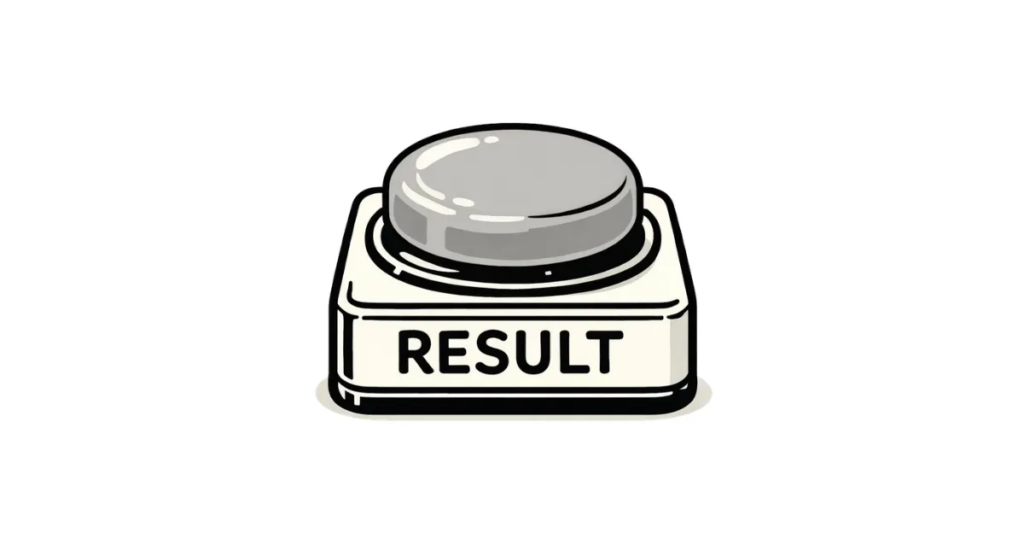
We talk about these things as if they were buttons.
Press here. Outcome appears.
But most important things in life don’t work that way.
Health doesn’t show up because we demanded it.
Revenue doesn’t grow because we announced it.
Meaning doesn’t arrive because we told people to care more.
They show up after something else has been quietly happening for some time.
Sleep.
Conversations.
Trust.
Clear decisions.
Time that isn’t constantly broken into fragments.
None of that sounds dramatic.
It’s slower. Less satisfying than pushing a big red button labeled “RESULT.”
And here’s where it gets a little funny.
When the result doesn’t appear, we rarely question the invisible groundwork.
We question people.
“Maybe we’re not committed enough.”
“Maybe we need a stronger mindset.”
“Maybe people just need to care more.”
We say these things with good intentions.
But sometimes I wonder if we’re just uncomfortable admitting something simpler:
We skipped a step.
Or maybe we skipped several.
Especially with meaning, this becomes delicate.
If sales drop, we look at pricing or product.
If health declines, we look at habits.
But when meaning fades, we often turn inward and say,
“This must be a personal problem.”
Yet meaning shifts when roles shift.
When autonomy changes.
When time becomes chaotic.
When effort no longer connects to outcome.
That doesn’t look like a personality trait.
It looks like conditions.
None of this makes us foolish. It makes us human.
We like clarity. We like decisive statements.
We like the feeling of control.
Shortcuts give us that feeling.
But sometimes the most helpful question isn’t,
“Who needs to try harder?”
It’s something quieter:
“What did we assume was already in place?”
That question isn’t dramatic.
It won’t trend on social media.
But it has a strange kind of relief in it.
It suggests that maybe the problem isn’t a lack of willpower.
Maybe we just tried to harvest before we planted.
And realizing that isn’t discouraging.
It’s freeing.
Because soil can be tended.
Conditions can be adjusted.
And we can stop yelling at seeds to grow faster.