
Why I Created KMI, and Where Semantic Flow Truly Began
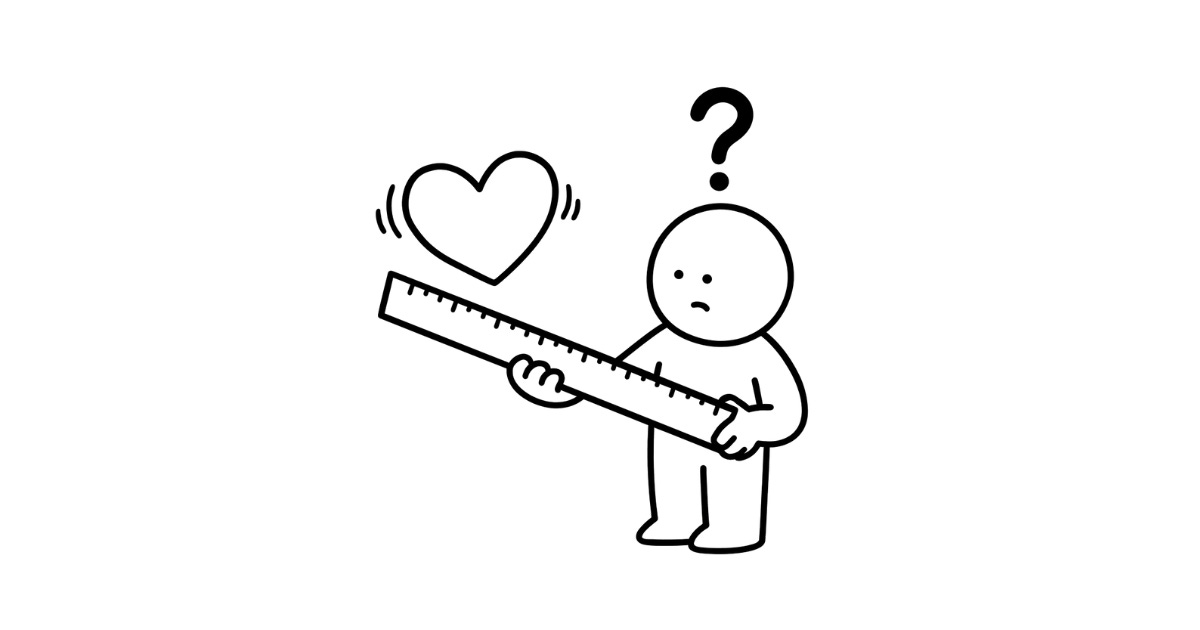
We Move Because Something Feels Meaningful
People do not move because they are told to.
They move only when something makes sense to them.
Think about the sound of a morning alarm. Almost no one enjoys it. Yet we get up. Not because the sound is pleasant, but because it carries meaning. Being late is worse. The discomfort is meaningful.
Now imagine the same alarm on a day off. Most people turn it off and go back to sleep. The sound has not changed. The tool has not changed. What disappeared was the meaning.
This simple structure appears everywhere, not just in daily life but in organizations, systems, and social change.
When urgency fades, action fades.
When meaning weakens, behavior stops.
This is not a motivation problem. It is a structural one.
Why Tools and Metrics Are Not Enough
In many transformation projects, the problem is not a lack of goals. Objectives are clear. KPIs are defined. Dashboards look perfect. And yet, people hesitate. Adoption stalls. Energy drains quietly from the system.
For a long time, I watched this pattern repeat. New tools were introduced. New rules were announced. New metrics were measured. Still, something essential was missing.
People understood what they were supposed to do. They did not feel why it mattered.
Purpose alone does not move people. Meaning experienced along the way does.
The Question That Led to KMI
This realization led me to a simple but uncomfortable question.
“What if the most important signals are the ones we are not measuring?”
Traditional metrics tell us what happened after the fact: Revenue, efficiency, utilization, performance.
But long before numbers change, something else shifts:
Trust
Relief
Pride
Anxiety
A sense of belonging, or its absence
These are not vague emotions. They are the psychological conditions that determine whether action continues or collapses.
This is where the idea of KMI, Key Meaning Indicators, was born. Not to quantify emotions, but to observe the conditions that make action sustainable.
From Value to Meaning
Initially, I called this idea Key Value Indicators (KVI). The intention was modest. Simply to record what kind of value people felt they were receiving.
But through practice, it became clear that value was not precise enough. What truly mattered was more subtle and more powerful.
Not abstract life purpose, but experiential meaning. The felt quality of everyday interactions.
Feeling safe enough to speak.
Feeling respected by a system.
Feeling that effort is recognized.
Feeling that uncertainty is acceptable.
These are the invisible drivers of sustained behavior. So KVI evolved into KMI. And the framework itself evolved into what I now call Semantic Flow.
Meaning Is Not Fuzzy. It Is Structural
A common reaction is skepticism.
“You cannot measure feelings.”
“Meaning is subjective.”
“This sounds too soft.”
But the meaning we are talking about here is not random emotion. It is structured subjectivity. For example, trust does not appear by accident. It emerges reliably when certain conditions are present.
Transparency exists.
Responses are consistent.
Explanations make sense.
When these conditions break, trust disappears just as reliably.
Meaning behaves like a pattern, not a mood.
That is why it can be designed for.
And why it can be observed.
KMI as an Early Signal, Not a Score
KMI is not a replacement for KPIs. It comes earlier.
KPIs tell us whether outcomes changed.
KMI tells us whether change has begun.
Before performance improves, meaning shifts.
Before engagement rises, something feels different.
KMI helps teams notice those early signals.
What kind of meaning are we trying to create?
What are people actually experiencing?
Where is the gap forming?
By observing meaning, we can redesign systems before damage becomes visible in numbers.
A Shared Language for Subjective Experience
One practical challenge is language. People feel things, but they struggle to articulate them in a way that others can use for design.
To address this, Semantic Flow uses a shared vocabulary of meaning. Not to control feelings, but to make them discussable.
Safety
Pride
Connection
Curiosity
Stability
Growth
When subjective experience becomes shareable language, it becomes design input rather than noise.
Subjectivity does not disappear. It becomes usable.
Translating Everyday Signals Into Meaning
We already do this naturally.
We notice tone changes in a colleague’s voice.
We sense tension in a room.
We say things like “Something feels off.”
These are meaning observations.
Semantic Flow simply treats them seriously and structurally.
It connects human observation with behavioral data, conversations, and in some cases, sensing technologies. Not to automate meaning, but to understand its flow. This is not science fiction. It is already happening across fields like emotion-aware AI, multimodal interaction research, and human-centered design. KMI provides the conceptual bridge.
Meaning Is Not a Goal. It Is a Flow
Meaning does not stay still.
What once felt exciting becomes routine.
What once felt safe becomes restrictive.
The same system produces different meanings over time.
That is why meaning cannot be treated as a one-time objective. It must be observed, adjusted, and redesigned continuously.
KPIs measure results.
KMI observes direction.
Semantic Flow exists to keep that direction alive.
Why This Matters Now
As technology accelerates, it becomes easier to change tools and harder to change outcomes. The missing piece is rarely capability. It is coherence between structure and meaning. KMI was created to make that coherence visible.
Not to control people.
Not to manipulate motivation.
But to design systems that people can actually live with.
If KPIs tell us where we arrived, KMIs tell us whether the journey still makes sense.
And in the end, that is what determines whether anything lasts.
Semantic Flow is not a theory about meaning.
It is a method for noticing when meaning begins to move, or begins to disappear.
And that distinction matters more than it sounds.