
Why Semantic Flow Designs Structure, Not Meaning
Why Is “Meaning” Everywhere Now?
“Find meaning in your work.”
“Purpose-driven organizations.”
“Employee engagement.”
In recent years, meaning has become one of the most frequently invoked words in management, leadership, and organizational design. Consultants emphasize it. Executives proclaim it. Surveys attempt to measure it.
The idea is intuitively appealing.
People move when they feel something matters. They endure difficulty when they believe their effort has purpose. Meaning motivates more powerfully than orders.
And yet, something feels off.
The more organizations talk about purpose, the more cynical the front lines become. The more engagement is measured, the more exhausted people look. What began as a well-intentioned focus on meaning is quietly turning into meaning fatigue.
Why?
In my previous essay, I asked whether measuring meaning even makes sense.
This piece begins where that question inevitably leads.
Meaning Is Not Always a Cure
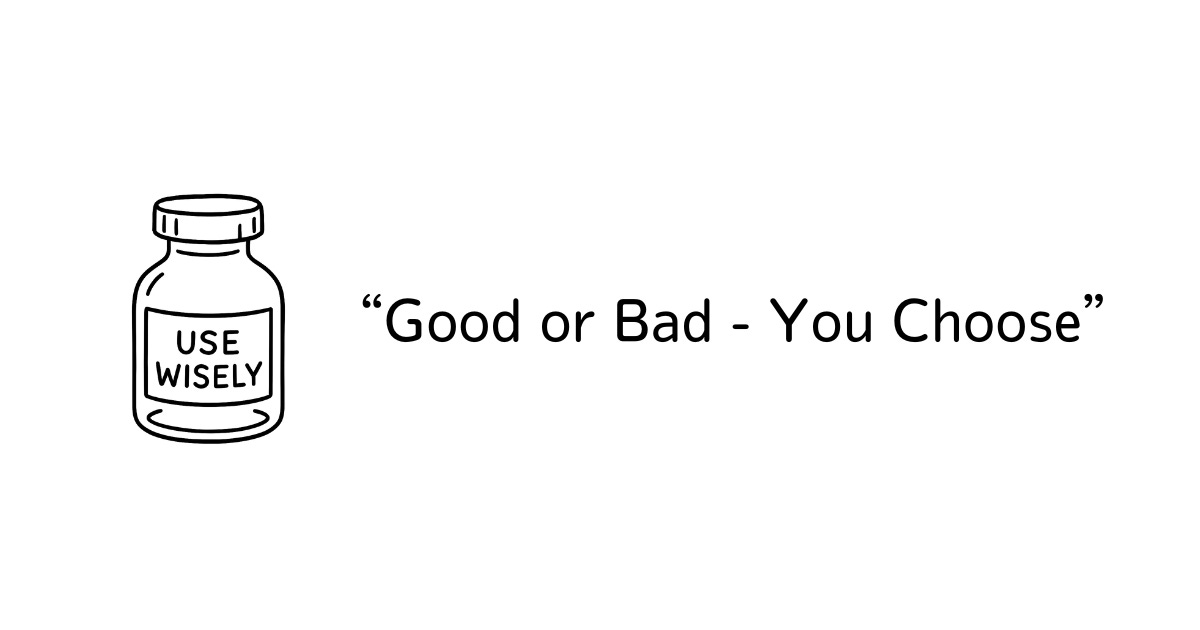
Meaning can be medicine.
When people experience trust, pride, contribution, or belonging through their daily work, meaning acts as a catalyst that enables sustained action. Research in positive psychology confirms this. Meaning supports resilience, perseverance, and well-being.
Healthy meaning strengthens organizations.
But meaning has another face.
When organizations attempt to impose meaning, when purpose becomes something delivered top down rather than discovered through experience, meaning turns toxic.
“Here is our purpose. You should feel proud of this work.”
At that moment, a fracture appears between:
Immediate, lived meaning, how work actually feels, and declared, institutional meaning, what the organization says it stands for.
People are asked not just to perform tasks, but to perform belief.
This is not motivation.
It is emotional compliance.
Meaning Is Not Fragile. It Is Uncontrollable
At first glance, meaning appears fragile. Touch it carelessly, and it seems to break.
But this framing is misleading.
Meaning does not break because it is delicate. It breaks because it is not a controllable object.
In Semantic Flow, meaning is not treated as a resource to be injected, optimized, or managed. It is treated as a state variable, a phenomenon that emerges after interaction with structure.
You cannot input meaning directly into a system.
Just as comfort cannot be poured into fabric, pride cannot be injected into an organization.
Designers can only work with structure.
Meaning Emerges Only Through Experience
Meaning does not exist independently. It exists only inside experience.
A beautifully written purpose statement cannot compensate for:
daily friction,
opaque decision-making,
lack of psychological safety,
or disrespectful treatment.
Conversely, strong experiences often generate meaning even without eloquent language.
Meaning is not something people have. It is something they feel when conditions allow it.
Two Layers of Meaning, Always in Motion
Semantic Flow distinguishes between two layers:
- Immediate Meaning (M1): Moment to moment feelings such as safety, trust, or satisfaction.
- Enduring Meaning (M2): Longer term significance such as purpose, pride, or contribution.
These layers are dynamic.
Daily experience reshapes M1.
Accumulated M1 gradually reshapes M2.
Meaning is not stored.
It circulates.
Trying to freeze it through slogans or metrics kills the flow.
The Measurement Paradox: When Meaning Becomes Performance
Organizations often attempt to protect meaning by measuring it.
Engagement surveys.
Pulse checks.
Purpose scores.
The intention is noble.
The result is often disastrous.
Once people realize their inner experience is being evaluated, meaning shifts from felt to performed.
Honest reflection becomes strategic reporting. Safety gives way to impression management.
This is not a cultural failure.
It is a control failure.
In Semantic Flow terms, meaning is a state variable, not a control input. Turning it into a KPI collapses the feedback loop.
The system begins optimizing answers instead of experience.
Why Semantic Flow Designs Structure, Not Meaning
So should we abandon meaning altogether?
No.
We should abandon the fantasy that meaning can be controlled directly.
Semantic Flow focuses on what can be designed:
requirements,
tools,
environments,
and experiences.
Meaning is allowed to emerge.
Think of meaning as water. You cannot command it to flow. But you can design channels that let it circulate cleanly.
Tools (T) shape possibilities.
Requirements (R) define what must not be violated.
Experience (E) determines whether meaning can form.
To make this observable, Semantic Flow introduces KMI, Key Meaning Indicators.
KMI is a way to notice early shifts in experienced meaning, before they appear in outcomes or performance metrics. KMI does not measure meaning itself. It observes whether structure and experience are drifting away from the intended direction.
Meaning remains free.
Structure remains accountable.
Meaning Safety: Letting People Feel Without Performing
Psychological safety asks: “Can I speak without punishment?”
Meaning safety asks: “Can I feel without performing?”
Semantic Flow aims to protect this space.
Not by enforcing belief, but by designing conditions where belief can grow, or change, without coercion.
Meaning that is forced becomes poison. Meaning that is allowed to emerge becomes medicine.
That is why Semantic Flow designs structure, not meaning.